

Home › Forum › Ask A Member › 1975 Evinrude 15 hp
- This topic has 4 replies, 5 voices, and was last updated 3 years, 9 months ago by
outbdnut2.
-
AuthorPosts
-
June 3, 2022 at 11:24 pm #260950
Hey y’all,
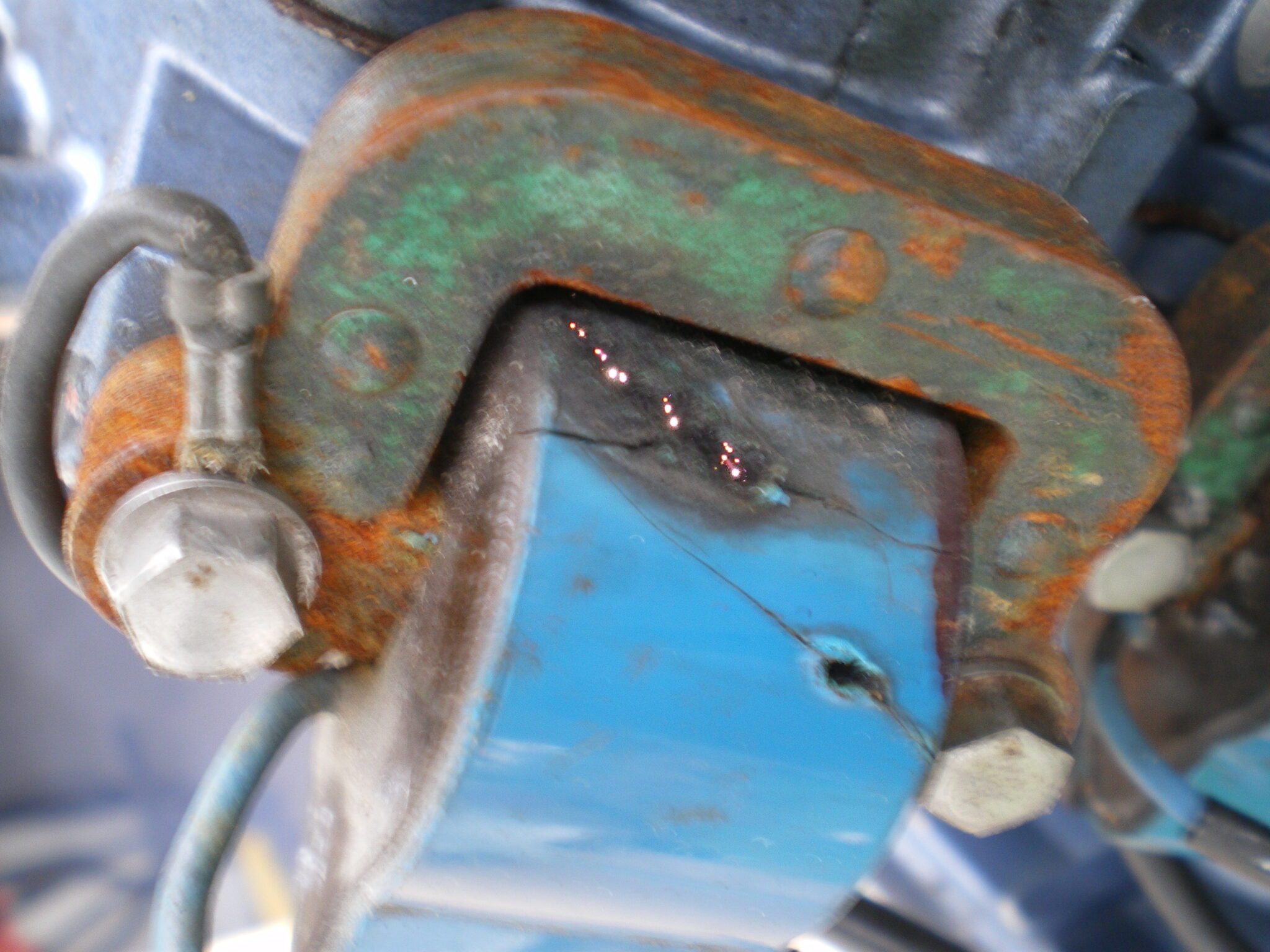
What would cause the voltage to blast a hole through the back of a coil and jump to the laminate? The coil is on the block, not under the flywheel, part #581407.
I’ve never seen this before. Is it a normal failure of an old coil?
Or is there something I need to fix before running the motor again?
GeerJMGP
June 4, 2022 at 8:09 am #260953likely small crack… electricity is lazy.. it always finds the shortest route to ground .
could be manuf. defect showingup years after or to much torque on a bolt caused a crack for humidity to sneek in who knows…..
Joining AOMCI has priviledges 🙂
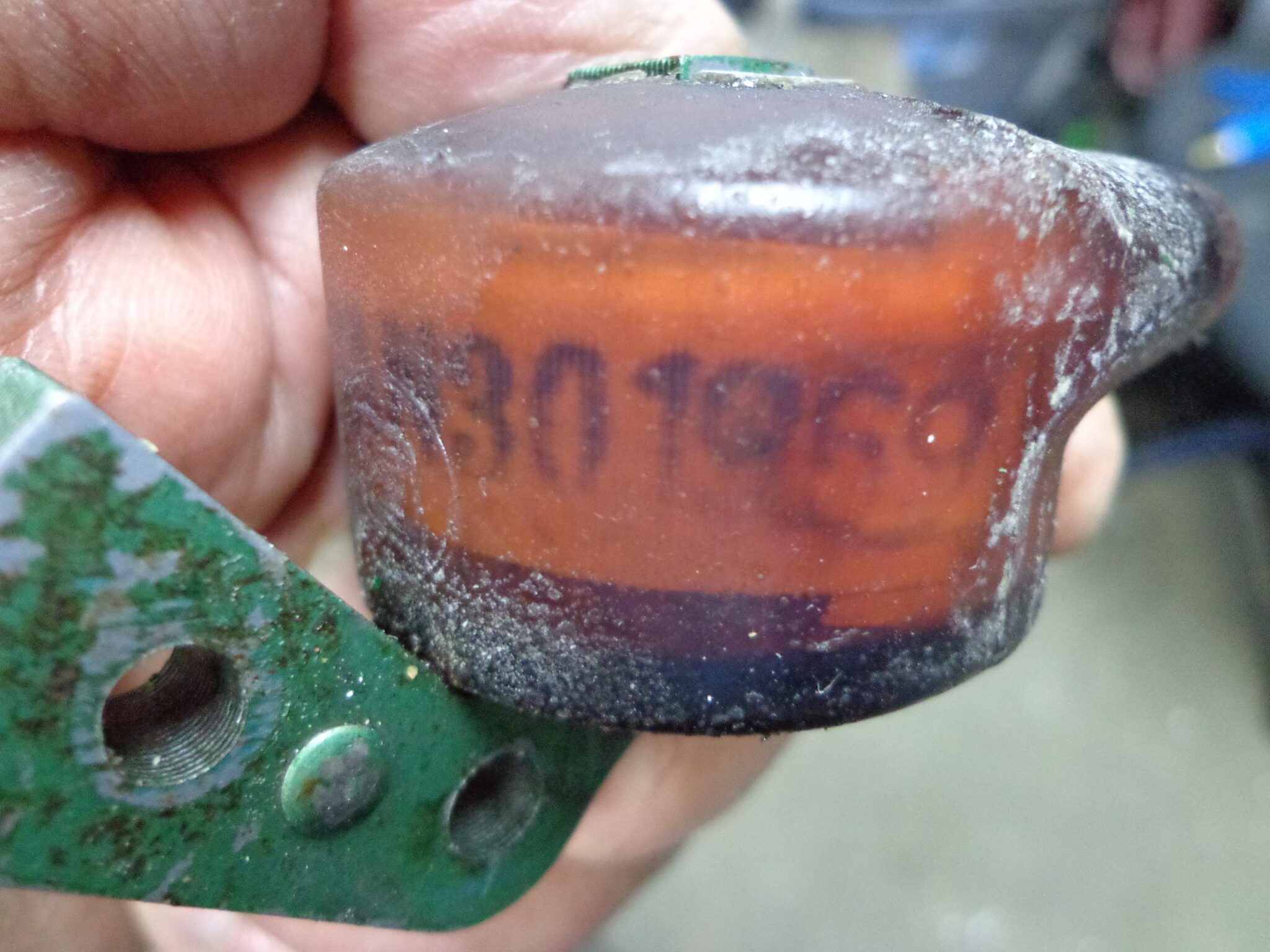
June 4, 2022 at 12:20 pm #260961The plastic outer case breaks down with time and cracks allowing moisture and other contaminates into the windings which then break down and short out. Ignition coils seem to b a dispensable item along with the points, condensers and plugs. They don’t last forever.
The coils used on the older Universal Mags had a date code on them which came in handy for determining their age.
 June 5, 2022 at 12:37 am #260982
Not that uncommon to see this. Perhaps the plastic casing broke down a bit, allowing the secondary to “short circuit” to ground through there. Or, perhaps the plug/gap/open secondary/high resistance, causing the secondary current/voltage to look for an easier path to ground.
All that being said, the opposite is not always true, especially on those external coils. Just because there are cracks in the external plastic case does not mean it is arcing to ground. I have seen many of these coils with cracks, that don’t leak, and work just fine. I’m guessing the crack is only in an outer plastic case, and that there is another inner casing that is “OK”. The only way to confirm this would be doing the secondary probe test with a coil tester. Seeing those “pin holes” is usually a good sign of leakage though.
June 7, 2022 at 12:35 pm #261117To add to what has been said, if the spark plugs are gapped too far open, and/or the spark plug electrode tips have gotten rounded off from a lot of running, the spark has to build to a higher voltage to jump the gap and if there is an easier path to take (like through an insulation crack) it will take it.
Dave
-
AuthorPosts


- You must be logged in to reply to this topic.