

Home › Forum › Ask A Member › To hone or not to hone
- This topic has 18 replies, 11 voices, and was last updated 9 years, 6 months ago by
rudderless.
-
AuthorPosts
-
September 24, 2016 at 6:29 pm #44669
Here’s some PDF files showing the different grits and material needed for different applications.
For cast iron rings, I usually use 180-220 grit stones.
September 24, 2016 at 6:43 pm #44673That is very good info mumbles,saving those PDF’S thanks
"Some people want to know how a watch works, others just want to know what time it is"
Robbie RobertsonSeptember 24, 2016 at 7:28 pm #44680Very interesting stuff indeed, makes sense….Wish I could go to metallurgy school so I could really understand it thoroughly.
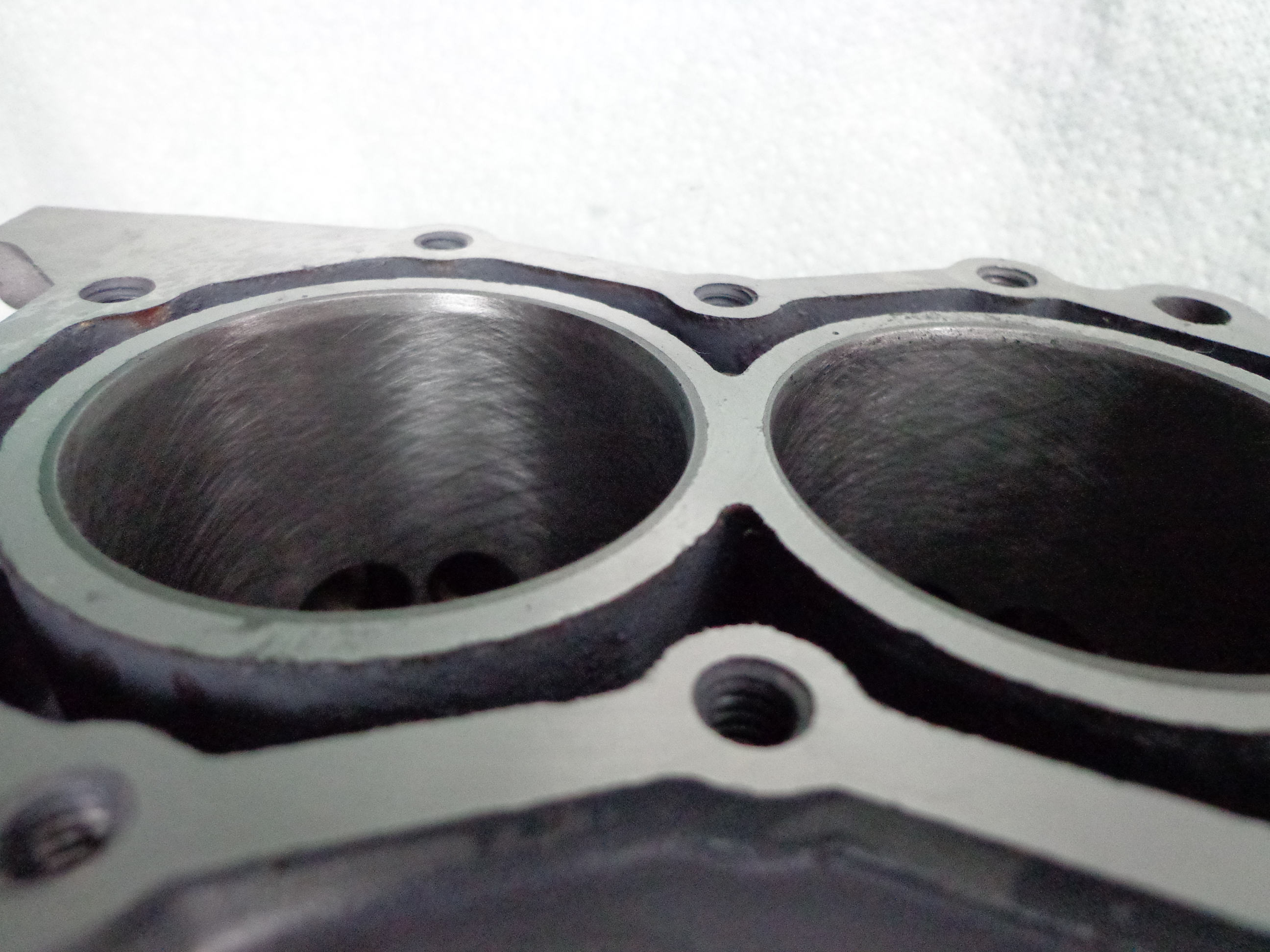
September 26, 2016 at 6:28 pm #44756quote fleetwin:Well, I would probably give the cylinders a quick hone job. But, I would use one of the ball hones that will reach all the imperfections in the cylinders. Using a rigid hone usually “misses” several spots, due to worn areas in the cylinders. Continuing to “hone” in an effort to reach all areas results in removing more material from cylinder walls….
You could also just use some fine emery and just “rough up” the cylinder walls by hand to remove the glaze.Missing the worn spots is a good way of seeing how good or bad your cylinders really are. If you put your motor back together with unknown spots in your cylinders, it could prove a disaster a short time later 😮 😮
September 26, 2016 at 8:23 pm #44760So true, just as long as you don’t continue on with the rigid hone to ensure contact in all areas….
September 26, 2016 at 11:49 pm #44776yeah, I agree, adding to the low spot using a ball hone just makes that imperfection worse. Rings are rigid, and will not contour to the low spots right. I would only recommend using a ball hone on a known good cylinder, that is true, and not out of round. The rigid hone will show this problem area. If its that bad, it may need a bore anyways. Ball hones will just "make" it look good, which in fact it wont be.
Just my uneducated 2 centos.
September 27, 2016 at 2:43 am #44792I use long stones that I true straight before each use. Then I use a fitting brush, like in copper fitting, after honing. And a ridge ring cutter when necessary. Maybe if one wants to "mail in" the port trimming and finishing a ball hone might be better…
Deglazing is a better term as honing one does to finish bore after the hole is hogged open. Although I did a .020in overbore with 2 sets of stones when I was 16. Bike ran well.
September 27, 2016 at 2:55 am #44793A judgement call for sure, cylinders should surely be measured, especially in the port area. Using any type of hone to cover up out of round/tapered cylinders is a waste of time and parts. The question comes down to just how much wear/taper/out of round is acceptable, which of course, depends on the engine and bore size.
September 27, 2016 at 3:19 am #44794..and budget..
-
AuthorPosts



- You must be logged in to reply to this topic.