

Home › Forum › Ask A Member › Sandblast media for cast steel cylinder heads
- This topic has 5 replies, 6 voices, and was last updated 6 months, 3 weeks ago by
Carl Wassersleben.
-
AuthorPosts
-
February 18, 2026 at 1:46 pm #304767
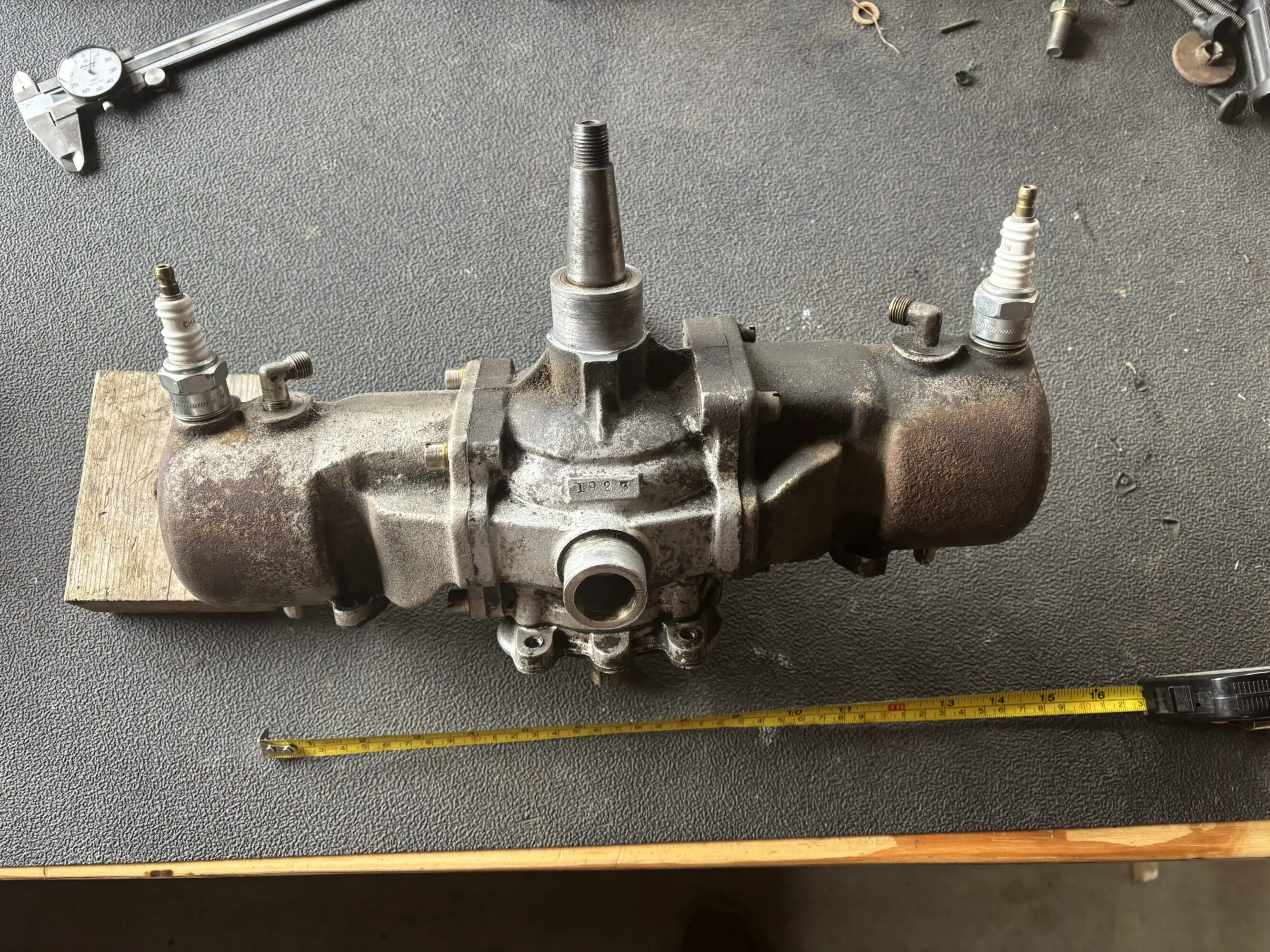
Looking into cleaning up a couple cast cylinder heads before puttin back together.
Asking for recommendation on sandblast media to use in a barrel blaster.
T..
February 18, 2026 at 2:08 pm #304770If you can guarantee removal of ALL remaining media, use glass beads, or garnet… You won’t like the results of missing one single bead…. Also note, you can use too much air pressure… that will shatter the glass beads making things much worse.
I personally no longer use that as I failed to remove all media on a motor and ruined it so I use walnut shells to remove paint, rust I use liquid rust remover..
http://www.richardsoutboardtools.com
classicomctools@gmail.com1 user thanked author for this post.
February 18, 2026 at 5:42 pm #304797They do sell baking soda blasting material. It will not last as long as other types of media in blasting cabinets but it works pretty well. I have used boxes from the supermarket in a hand held blaster for small parts. When done blasting, you can rinse with water and it will dissolve the left over media. No worries of media being left in there to score anything up. You will have to blow of parts off with compressed air and use a blow dryer with warm air to completely dry the parts so they don’t surface rust before clear coating or paint.
1 user thanked author for this post.
February 18, 2026 at 10:45 pm #304808as many answers as you get, you’ll likely find you have that many different opinions.
Logically speaking, any area or surface that is not clean dry bare metal is going to provide a surface for blast media to stick to or hide in. Thus, you need to clean the castings out thoroughly before using any sort of media on them. I’ve glass beaded countless cylinders over the years and they get cleaned out thoroughly before AND after. I don’t use sand, only glass. Haven’t tried walnut shells but I hear some folks prefer that as opposed to glass. The trick for me is to get rid of any oil or carbon residue before it goes into the cabinet. That means either cooking or burning the crap out, or using oven cleaner to dissolve the tough stuff. The other thing I do is use a series of brushes with a mix of hot water and laundry detergent to scrub blasted parts out. The brushes I use also work on your trumpet or trombone if you ever want to scrub the tubing out. Scrubbing with laundry soap and water will remove any residue from blasting (or honing if you break the glaze on the cylinder walls) but also creates the opportunity for flash rusting of bare metal surfaces as the part dries, so be ready for that.
Hope this helps.
Best,
PM T2He's livin' in his own private Idaho..... I hope to go out quietly in my sleep, like my grand-dad did..... and not screaming, like the passengers in his car...
1 user thanked author for this post.
February 19, 2026 at 6:02 pm #304837I use powdered walnut shell on these parts all the time, but it does take longer to clean. Unlike sand or glass, it breaks down and shouldn’t damage bearing surfaces if a few particles are left behind.
Just caught the vintage outboard restorer bug!
1 user thanked author for this post.
February 20, 2026 at 5:38 pm #304905I bought an ultrasonic tank years ago for cleaning parts. I use it for several things. I ultrasonic clean items before glass blasting. This removes any oil, grease or fluids. That keeps the beads from sticking in all the wrong places. I also sonic clean AFTER blasting. I then go through every bolt hole with a small tube air nozzle. I also chase and clean every threaded hole to check threads and make sure no media is stuck in holes. So far in 50 years of building racing engines of all sorts. I’ve had no failures due to media finding its way into an engine.
I use the finest media I can get. This cleans without doing and metal moving.1 user thanked author for this post.
-
AuthorPosts


- You must be logged in to reply to this topic.